- Home
- Fresh Produce Knowledge
- Produce Supply Chain
- Fresh Produce Retail Merchandising
Fresh Produce Retail Merchandising
Fresh Produce Retail Merchandising
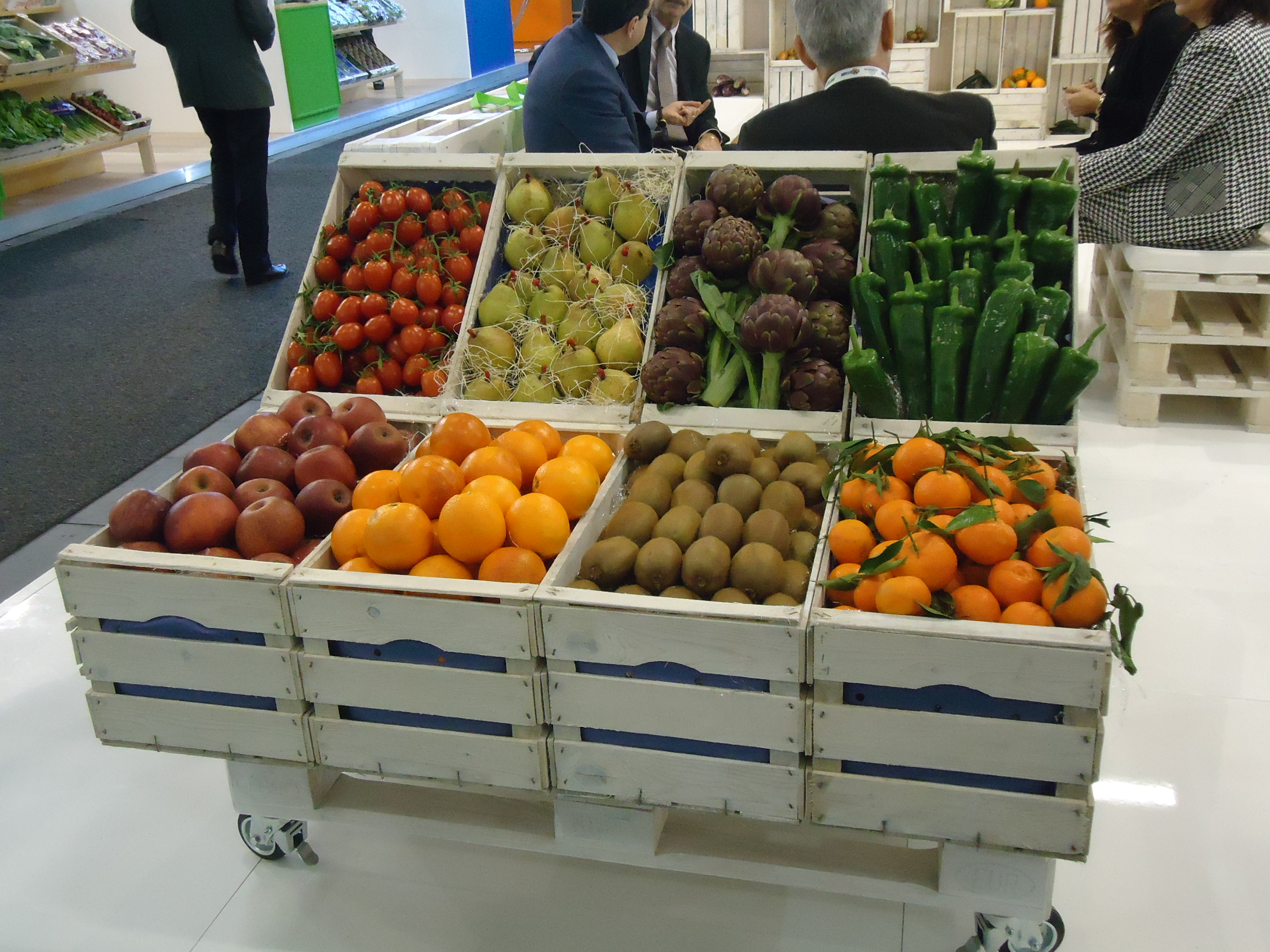
There was a time when store staff working in the produce department were taught fresh produce retail merchandising as a matter of course. Merchandising revolves around presenting the customers with an inviting display of fresh produce that tempted even the most cautious shopper to overcome her misgivings and place the produce on offer into her trolley.
This crafty strategy was attempted by:
- Ensuring only unblemished fruits and vegetables were placed on display.
- Creating colour breaks by placing red apples next to green ones, for example, or avocadoes next to lemons, to give the impression of range, quality and order.
- Stacking produce when it was justified by price, demand, and availability to stimulate sales through creating a perception of abundance.
- Maintaining and grading the displays during the day, removing blemished produce, rotating produce forward, before restocking a display as it was selling down.
- Removing the entire range on display at night and moving it into the rear-store and coolers, in the days before multi-decks were invented.
- Restocking the entire department every morning and, through that process, ensuring that only unblemished produce was put on display.
- Installing a grading and rotating routine into the minds of the produce assistants, right from the day they started working in the department.
The underpinning assumption to all this was, of course, that the company’s produce buyers had only purchased the best produce available and for a very competitive price at that.
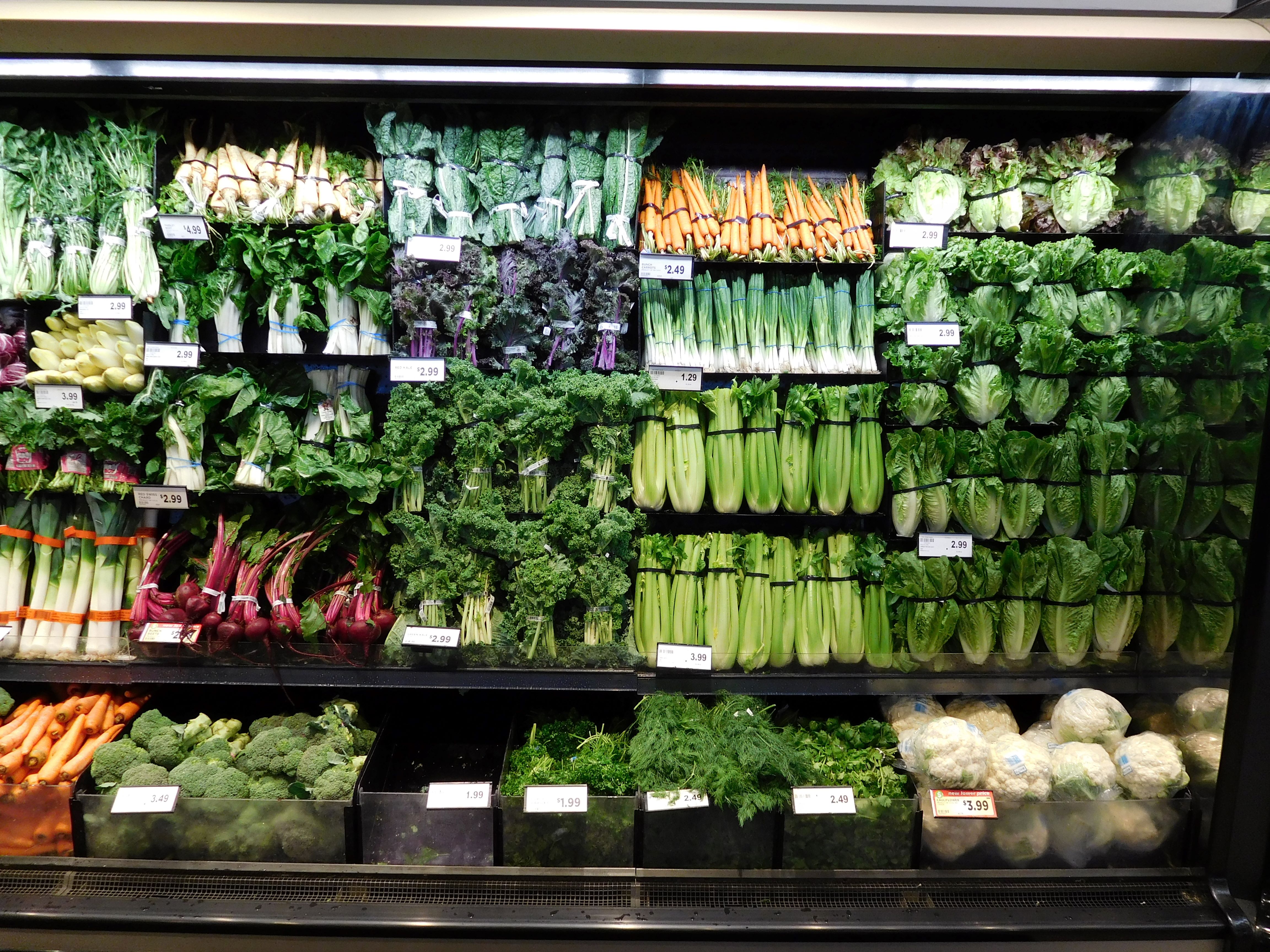
Merchandising took a turn for the worse with the arrival of refrigerated multideck cabinets. Produce displays were no longer taken down at night anymore, as instead, the last produce assistant on duty when the store closes pulls down the curtains on the display front to create a closed environment for cold air to circulate.
And, hey presto, all that now needed to happen in the morning was that the curtains were lifted, and the department was immediately ready for the day’s trade. The only minor difference being that the produce on the shelf in the morning had not been taken down at night, had not been graded, and unblemished produce had not been removed as a matter of course.
Lessons were learned from this unexpected interaction between people, documented processes and new technology. Some of the considerations planners and decision makers had to tackle in their attempts to align all these components included:
- Will the staff get around to grading the entire department during the course of the day? That is probably the well-meant intention but an unlikely scenario. Store labour is scarce these days - remember the wage percentages. And even if the staff could achieve a total rotation and grading of the entire department during trading hours, it would be precisely that: grading during trading hours…in front of customers.
- Does it really make sense to have grading and removal of blemished produce occur under the watchful eyes of customers whilst they are trying to make up their mind whether they should buy their produce at the supermarket they are in or at the greengrocer around the corner?
Stores, which are equipped with refrigerated multidecks, have by now adjusted their behaviours to achieve optimal benefits from the technology, whilst maintaining the principle of only keeping fit for purpose fruits and vegetables on display.
Perception being nine tenths of reality, I cannot help but think that the multideck has not done the produce retail industry any favours when it comes to building consumer confidence. Unfortunately, today’s shoppers operate on the basis that supermarket produce must be treated with a degree of caution and greengrocers are perceived to have better produce merchandise skills than they typically have.
How much of this perception might be related to the impression that when fruit and vegetables need to be kept cool or chilled within a store environment, this needs to be interpreted as a broad hint that not all is well with the shelf life expectation of the produce, or worse?
To take this potential argument a step further, I would like to conclude with this question:
- Does a correlation exist between the effort, energy and investment needed to ensure seamless centralised managed and standardised produce supply via proprietary retail distribution centres, and the consumer perception that supermarket produce departments are not necessarily the fruit & vegetable shopping destination of first choice these days?
And as I formulated the above question, a second one came to mind:
- How much structured and standardised effort to maintain fruit and vegetables, in what the retailer understands to be optimum display conditions to encourage purchasing, can be justified when the low commodity value of the produce might not be justify the expended effort, e.g. sweetcorn, cabbage, etc.?
Difficult questions to solve, especially when one's fresh produce retail merchandising business model might have evolved from being the logical consequence of one's growth strategy over decades, to being a constraint on maintaining consumer confidence.
You might like these
Produce Supply Chain
Effective fresh produce supply chain management is a complete wrap of skill, science and art.
Fresh Produce Supply Chain Structure
An observation about Fresh Produce Supply Chain Structure
Fresh Produce Middlemen
An introduction to the role of middlemen in the fresh produce supply chain.
Produce Retail Choice and Consequence
Where the changing face of produce retail choice and consequence is discussed.
Fresh Produce Consistency
Where the importance of fresh produce consistency for consumer confidence is discussed.