- Home
- Fresh Produce Knowledge
- Produce Supply Chain
- Produce Retail Choice and Consequence
Produce Retail Choice and Consequence
Produce Retail Choice and Consequence
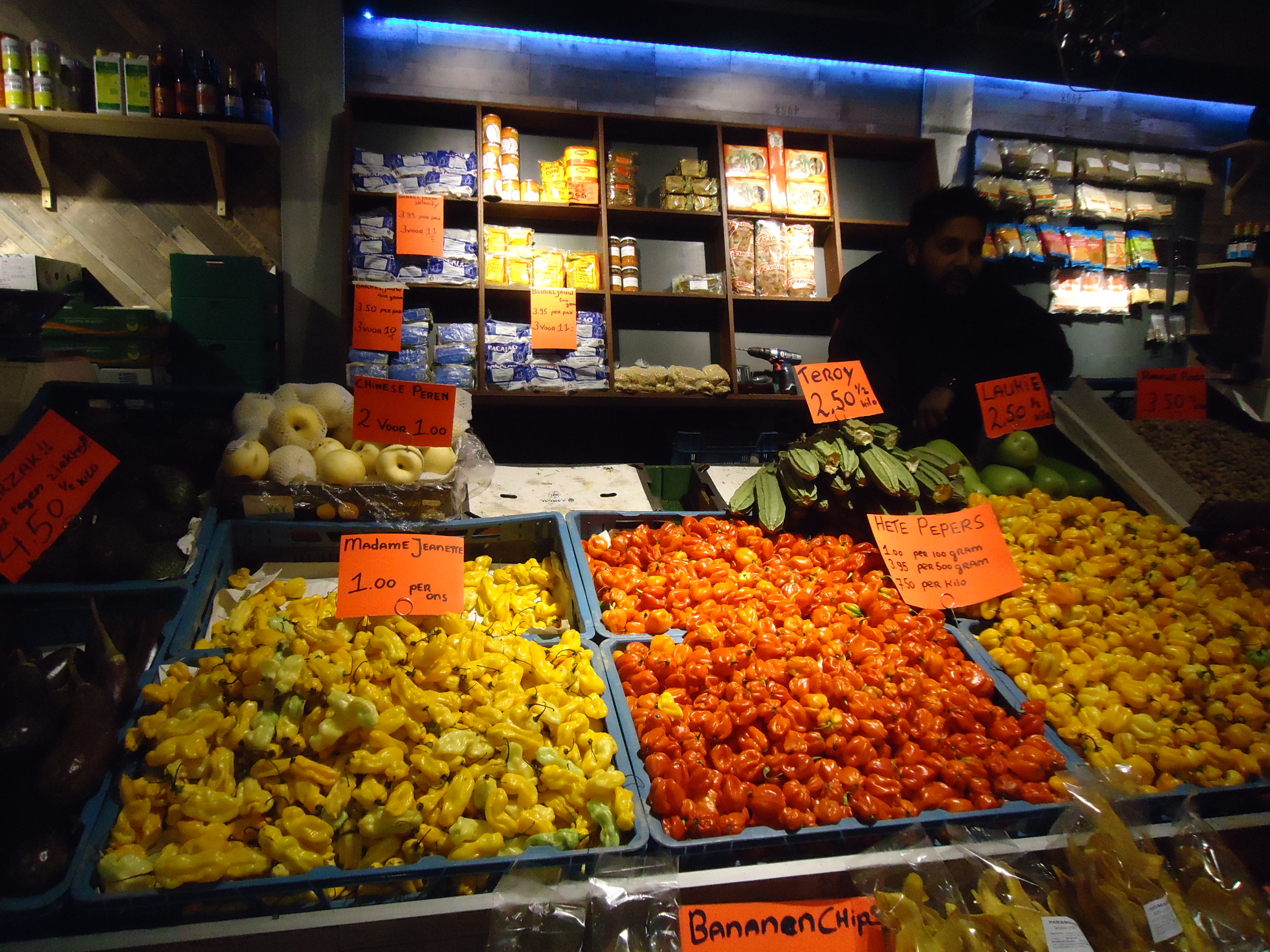
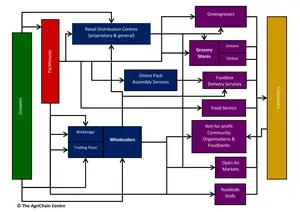
The channels to the consumer through which fresh produce can travel are increasing rapidly. Greengrocers, fruiterers, and mainstream supermarkets are still considered to be the mainstay. ‘My Food Bag’ type operators who provide daily meal solutions and recipes that include fruits and vegetables are catching up rapidly, as are ethnicity-based supermarkets and fresh food focused retailers. Then there are Farmers Markets and those that are pretending to be one of these as well as the original weekend street or carpark markets. Produce Retail Choice and Consequence is certainly a topic every consumer faces.
As we believe in providing our staff with healthy fruit snacks during the week, we have a subscription with a produce delivery service that brings us once a week whatever is in season and suitable to be eaten at a desk without making a big mess.
I sure do have a choice as a consumer – but how much choice is a good thing and at what point does the level of choice become a driver for consequences I may not like? Here is an example: Supermarkets and greengrocers traditionally operate within structures called ‘stores’. Stores tend to have been built from brick and mortar or tilt slab concrete, and they need things like electricity, water, windows, floor covers, fittings, and staff. Before a company or an individual builds a store, they do their sums and they asked themselves (hopefully) some insightful questions, such as:
- How much is this store going to cost me?
- How many sales $ can I expect to generate?
- How many customers am I going to get through my doors each week?
- What average trolley value can I expect per customer?
- How many customers will use the store for their main household shop?
- How many customers will treat us as a sophisticated dairy?
- What is my merchandise split likely to be across the entire store?
- What is my wages bill going to be?
I could add to these questions, but these will serve to illustrate my point.
That point being: if a sufficiently large percentage of main household shoppers that could be expected to frequent the store, connect with one of the alternative channels mentioned above, then store sales will drop, wastage will increase, and costs will rise. If the channel migration reaches a certain point close to, or beyond the store’s break-even position, then the store will cost its owners money, rather than earn money for them.
A likely first reaction would be to lift prices, but the ability to do so would be determined by the degree of competition the store has at the local level. A further loss of additional customer traffic would then be also on the cards. And all of that is not a sustainable recipe for future happiness.
Advantages of self-selection versus app based shopping and home delivery
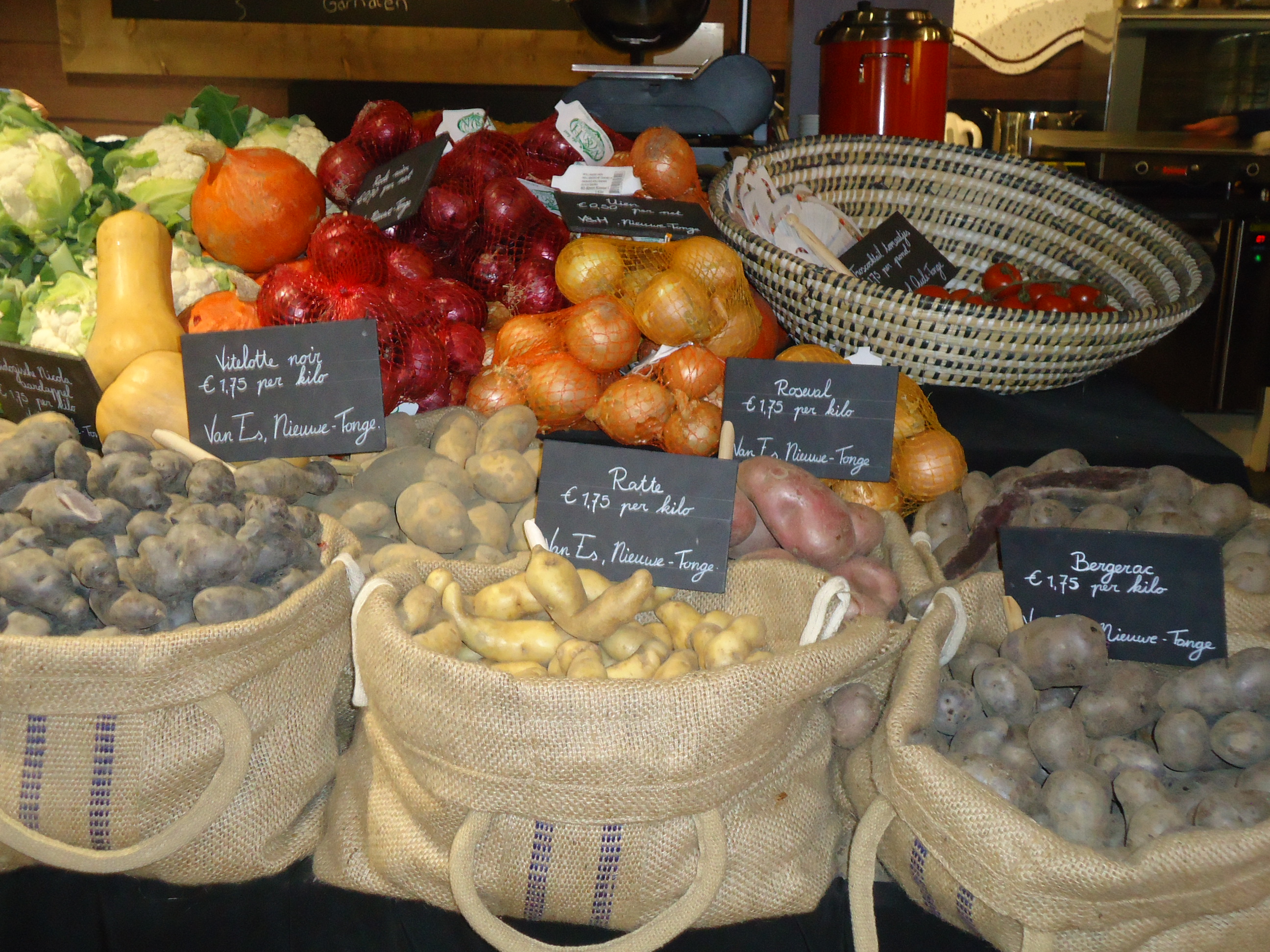
The produce in this picture is inviting to me to make a careful selection. Several of my senses are engaged. I can see the different potato varieties available, I can touch and choose each individual spud in my quest of esnuring that only teh best produce pcome with me. And if there were to be rotten potatoes amongst this lot, there is every likelihood that my nose would tell me all about it.
When I go shopping at my local supermarket these days, I must put up with ‘personal shoppers’, the fancy name for staff who are fulfilling customer orders placed via on-line shopping portals. As if stores were not crowded enough already. Traditional retail staff, customers and third party merchandisers (they used to be called 'shelf re-stockers') are all competing for space in aisles. This can become particularly bothersome when the grocery aisle-end special displays extend into the aisles themselves, courtesy of over enthusiastic display builders. Or when occasions such as Easter and Christmas see a whole raft of seasonal cakes, sweets and chocolates turn with the express desire to clutter up any remaining non-income generating square meter of supermarket footprints.
Adding the 'personal shoppers' with their oversized shopping carts into this unholy mix and having them compete with traditional customers who are doggedly pursuing the these days challenged quaint custom of wanted to select their own groceries, and particular fruit, vegetables and meat, can often be the last straw.
One of the consequences is a compromise that occurs in shoppers' minds. Ordering shelf-stable groceries, e.g. baked beans, nappies or anything else that is not perishable and does not generate the emotional need for real personal selection can be tolerated, as it provides the opportunity to re-connect with butchers and Farmers Markets, where one does not have to partake in an in-store obstacle course, in order to complete one's weekly shopping experience.
Supermarket operators are paying attention to these emerging trends and are trying to find solutions, such as 'dark stores' where no retail customers are permitted and personal shoppers fill online orders 24/7.
Accelerating produce retail choice and consequence as consumers deconstruct their 'I buy all my groceries under roof' model further.
You might like these
Produce Supply Chain
Effective fresh produce supply chain management is a complete wrap of skill, science and art.
Fresh Produce Supply Chain Structure
An observation about Fresh Produce Supply Chain Structure
Fresh Produce Middlemen
An introduction to the role of middlemen in the fresh produce supply chain.
Fresh Produce Consistency
Where the importance of fresh produce consistency for consumer confidence is discussed.
Fresh Produce Economies of Scale
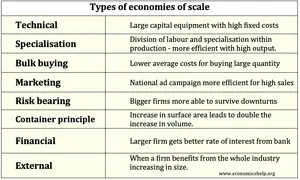
Economies of scale are critical in the fresh produce business, as commodity farm gate returns can fluctuate from one season to the next.