- Home
- System
- Fresh Produce Retail System
- Fresh Produce Commodities
Fresh Produce Commodities
Global View on Fresh Produce Commodities
The Food and Agriculture Organization of the United Nations (FAO) categorizes fruits and vegetables as commodities, specifically as "primary agricultural commodities". Commodities are products that, in many cases, are used for ingredients in processed food products. Commodities can also consumed as they are, which is what we do with fruit and vegetables.
Commodities can be assisted along to make it easier for us to treat them with a degree of consistency.
For example, we do not typically wait for bananas to ripen themselves. We like to control that process to manage availability in the market, so we ripen them with ethylene gas. Commodities are typically not sold at fixed prices. And that's regardless whether they are perishable commodities such as fruit and vegetables or non-perishables, like gold or coal, which are also, in the broader sense, commodities. One of the underlying features of what defines a commodity, is that supply is not necessarily steady.
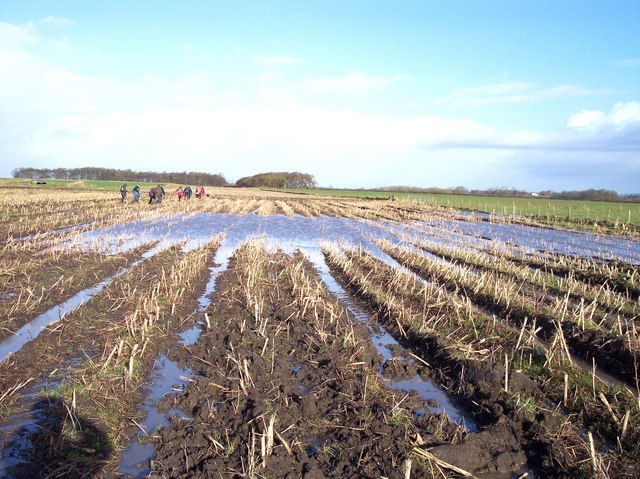
We know all about supply fluctuations in the fresh produce industry because we rely on something called the weather. And when the weather is not pleasant, it impacts on the volume of our harvests, the quality of our harvests, our ability to get to the product that needs harvesting in time, and a variety of other factors. One of the consequences of harvest disruptions is the difficulty of striking consistent farmgate prices for fresh produce commodities.
Supply & Price Relationship of Fresh Produce Commodities
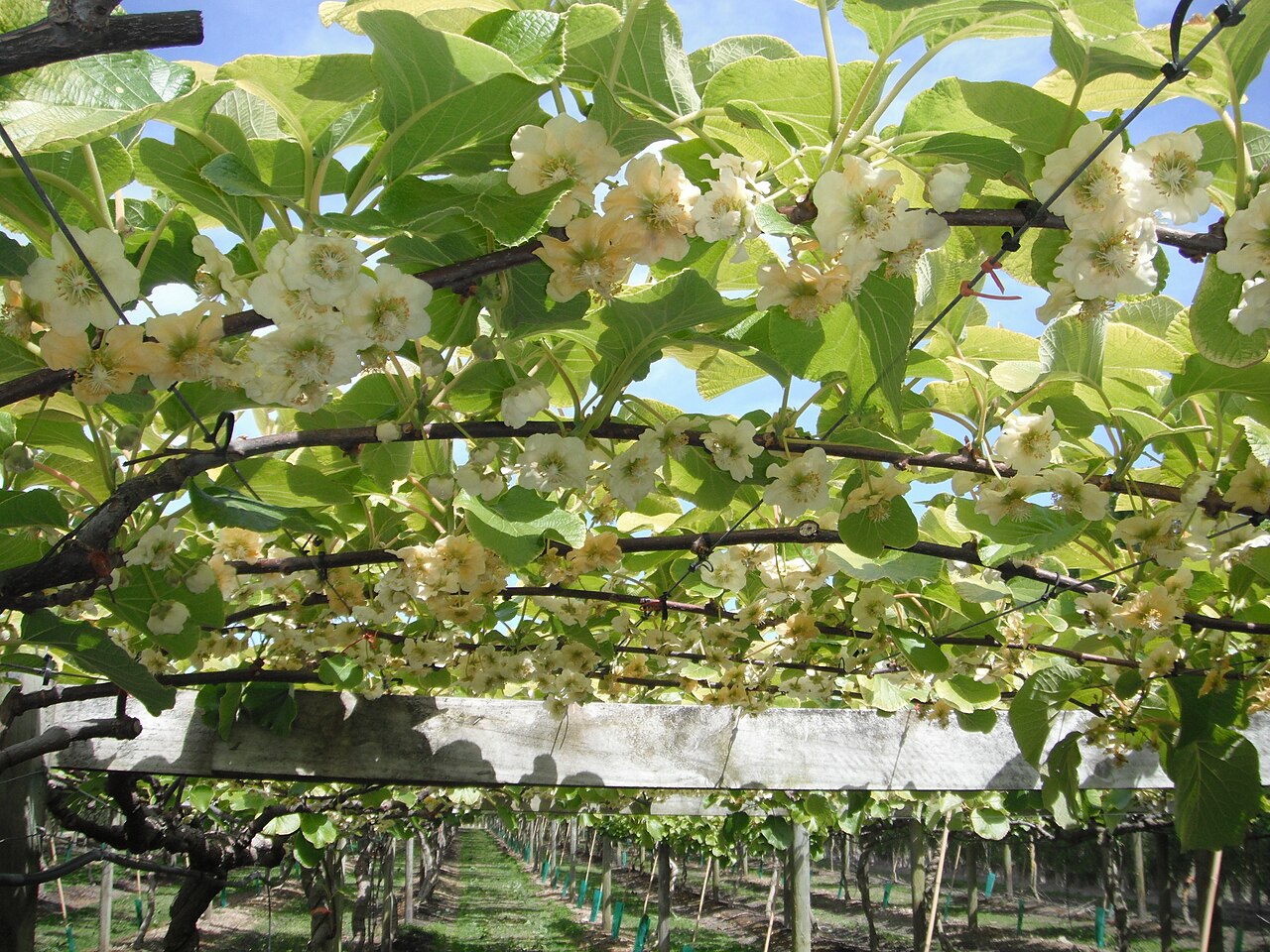
In the days before produce was shipped from one end of the earth to the other, like we do here in New Zealand with our kiwifruit, supply considerations were more straight forward. Fruit and vegetables were either in season or they were not. And when they were not in season, there was, A: no need to set a price, and B: no need to debate price fluctuations because the product simply was not available. Today, we need to consider domestic, export and import pathways for many of our fruit and some of our vegetables. And the balancing act between the three pathways and the demand generated and available for our fruits and vegetables, together with the level of available supply, is what ultimately determines price.
There used to be a mechanism that was quite suited for establishing a price for the grower. Let's call this price farm gate or orchard gate returns. That mechanism was the produce auction. We will discuss the auction system in more detail in another part of this website. But as long as farmers and growers were not talking with greengrocers and supermarket retailers, and were not selling directly to them, they were relying on a central structured and organised transaction point that allowed the exchange of fruits and vegetables coming off market gardens, orchards, or farms at wholesale prices.
Some Things Do Not Change
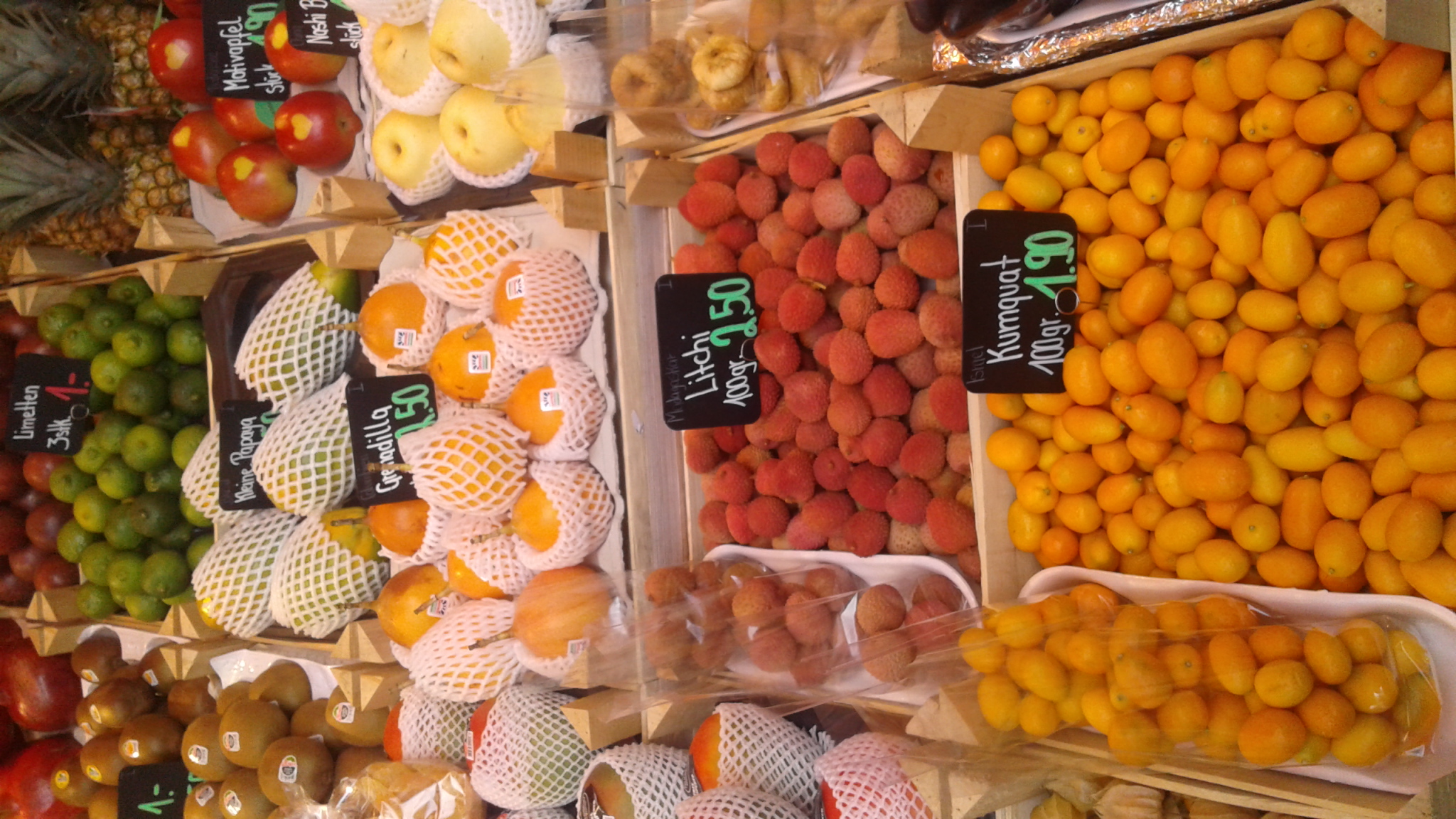
But when some of the shop owners who were buying produce, i.e. fruits and vegetables, at auction, got large enough to the point where they were considering ways to protect their margins and potentially reduce the reliance on what they called "the middle men" , i.e. the auction, together with the arrival of modern technology, the transactional mechanisms which were responsible for getting the produce from growers to retailers changed.
The challenge we have today, is that the nature of produce in terms of its perishability is, in essence, still there. Yes, one can grow certain vegetables under cover and under glass, but that does not stop the produce from falling prey to the perishability conundrum in terms of shelf life. Under cover crops might be less prone to displaying signs of perishability after a hailstorm, compared to their "cousins" grown in open paddocks - unless the hailstorm was severe enough to kill the covered structure dead. And yes, one can grow fruit under shade, but that does not stop the rain from getting to the crop . Cover does not stop fungal diseases building up. It doesn't stop all the risks that an orchard owner or market garden owner has to manage every day, seven days a week, if they want to have a reasonable degree of certainty that they have a saleable crop at the end of its natural ripening cycle.
It does not really matter how sophisticated grower post-harvest, distributor cool chains, marketer branding and communications or retailer point-of-sale technologies have become. Fruits and vegetables will continue to be characterised as commodities because at best, the perishability dial might have been moved along a bit, but the perishability principles remain the same.
Whether we like it or not, a pallet of sparkling mineral water or a pallet of baked beans is a whole lot more forgiving than a pallet of bananas or a pallet of broccoli. And that is before baked beans or broccoli have to cover what in the industry are known metaphorically as "the last ten metres" - the space between a store's inwards goods receiving dock and its allocated space within the retailer's sales area.
An awful lot can can still go wrong between those two points within a store's internal envelope.